How have mobile devices revolutionized the B2B sector?
In the past, direct interpersonal relationships were the standard way to acquire business contacts. While it was common to establish collaboration over the phone, the human factor still played a significant role. This situation has changed significantly as a result of rapid technological advancements. It's safe to say that customer expectations have undergone a complete turnaround. Today, business clients demand more from interactions with salespeople in the early stages of negotiations. They demand the in-depth attention they've experienced in other purchasing processes. And rightly so!
Mobile technologies sell better
Google teamed up with The Boston Consulting Group to examine the impact of mobile on the B2B sector. They found that mobile interactions generate an average of over 40% of revenue for leading organizations. Interestingly, this pattern applies more strongly to companies that focus more on commerce than marketing.
Who are mobile device users?
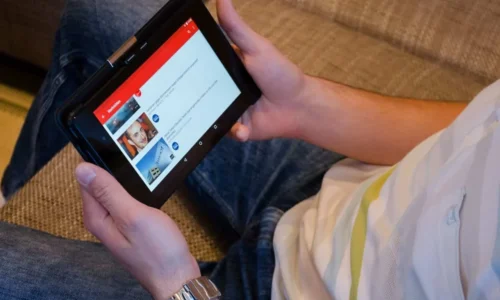
Today, consumers compare your capabilities to the best digital experiences they've ever experienced. Mobile devices therefore play a significant role in the B2B sector as well. Statistics show that as many as 50% of business inquiries originate from smartphones and tablets. The Boston Consulting Group predicts that this number will reach 70% by 2020. However, it's important to remember that these data are based on the US market.
In Poland, mobile traffic is significant in this sector, but in terms of conversions, queries submitted via stationary devices during standard business hours still dominate. However, business customers are utilizing technology at every turn. They use mobile technologies for work and multitask using multiple screens. Employees are no longer tied to their desks. Instead, they increasingly work from home. Furthermore, mobile technologies enable them to remain productive while traveling for business.
(The rest of the article can be found below the form)
How to improve cooperation with business clients?
B2B customers are also devoting more and more time to using mobile technology. Current studies show that they spend two hours a day in front of a screen. This figure is significantly inflated by younger generations of consumers. Forecasts indicate that by 2020, consumers will use smartphones and tablets for an average of three hours per day.

Increased usage isn't just a statistic. This trend directly translates into business results. BCG revealed that mobile technologies accelerate time to purchase, which naturally increases revenue and lowers investment costs.
A smartphone can reduce the time it takes to purchase by 20%. This significantly simplifies decision-making and improves team collaboration. Skillful use of mobile technologies increases engagement, which translates into search queries, increased website traffic , lead generation, and transactions.
The mobile market is also characterized by a higher customer retention rate. Positive experiences increase loyalty and repeat purchases. Reaping the benefits of smartphone and tablet use requires the right mindset. Above all, mobile technologies must become the foundation of your business strategy. It's also worth presenting content vertically. This makes it look much better on screens. Furthermore, it's crucial to combine your own data with information collected from your audience. Combining these three factors will increase the effectiveness of your efforts.
Summary
The above article covers the following topics:
- the impact of mobile technologies on purchasing and sales processes in the B2B sector,
- relationships between mobile and user engagement (traffic, leads, transactions).