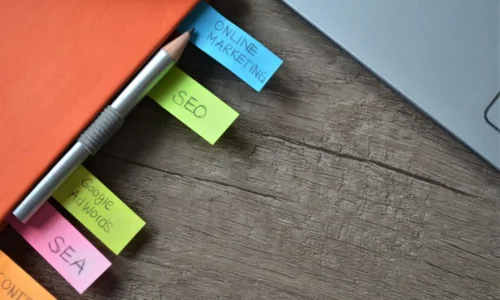
Effectively building your personal brand requires conscious planning, knowledge of communication tools, and skillful use of elements that create a coherent and recognizable image. The following article shows you how to build your visibility and professional authority step by step.
A strategic approach to personal branding
A personal brand is not only a way of self-presentation, but above all, how a person is perceived by those around them. It encompasses values, competencies, behaviors, and visual elements that influence perception online, in business relationships, and within the industry.
In the case of a personal brand, every element of communication, even the seemingly small ones, becomes part of a larger whole.
For this reason, consciously building a brand image requires consistency and the ability to tailor the message to the target audience, without falling into artificiality. Audiences expect consistency, as it translates into credibility.
(The rest of the article can be found below the form)
Techniques that support building a personal brand
The process of building authority and recognition begins with consistently presenting knowledge, experience, and your own methods. The more unique and valuable the message, the more effective the brand image will be.
Content published on social media, public speaking engagements, expert articles, and videos become tools through which audiences can gain insight into the author's thinking and expertise. Maintaining a communication style that is both industry-specific and recognizable is crucial.
Expert content must be understandable and useful to build long-term engagement. Users are eager to return to people who not only present knowledge but also provide practical assistance in solving problems.
Ways to build credibility
Recognition doesn't stem solely from frequent publications, but from the skillful selection of communication channels and formats. The combination of high-quality content, professional photography, consistent graphic materials, and clearly defined values allows you to stand out from the competition.
Effective brand image creation also includes developing soft skills, for example through public speaking, networking and providing expert commentary in the media.
Such initiatives strengthen credibility and facilitate building relationships with audiences. It's worth monitoring the results of your efforts by analyzing statistics, user reviews, and reactions to published content to continually adapt your strategy and increase its effectiveness.
Company activities as inspiration for building a personal brand
Examples from the field of corporate image creation can provide valuable inspiration when building your own brand. Organizations that prioritize transparency, high-quality service, and thoughtful visual communication achieve significantly better results in their relationships with their audiences.
Similar principles can be applied when creating a personal brand. Transparency of actions, consistent use of visual identification, and maintaining a high level of substantive content ensure that recipients perceive messages as coherent and professional.
Inspired by company practices, it is worth implementing elements such as regular publication of case studies, showing behind-the-scenes work, or presenting specific results of cooperation with clients, because this builds trust and credibility.
How to build your personal brand and why is it worth it?
For those running their own business or acting as an expert, a personal brand can support business goals.
Using the right tools, such as professional social media profiles, a newsletter, a website, or a podcast, helps to expand your message. Skillful reputation management and responding to feedback, both positive and negative, are also crucial.
A strong personal brand of a leader has a positive impact on the perception of the entire organization, so it is worth approaching its development strategically.
Frequently asked questions about building a personal brand
A personal brand is how others perceive you in the job market or in your industry. It encompasses your skills, values, experience, and the image you build online and offline.
A strong personal brand allows you to stand out from the competition, builds trust with potential clients and employers, facilitates the acquisition of new orders, and opens the door to interesting collaborations and expert presentations.
The first step is self-concept and defining your goals. You need to answer questions like: what are your expertise, what are your unique selling points (USP), and what target group do you want to reach with your message?
The choice depends on the industry, but a key platform for professionals is LinkedIn. It's also worth developing your own website or blog, and depending on your niche, developing a profile on Instagram, Facebook, TikTok, or running your own podcast.
Sharing knowledge through articles, posts, videos, or infographics is the best way to demonstrate your expertise and experience. Valuable content attracts audiences and establishes you as an expert in your field.
Authenticity is the foundation of a lasting personal brand. This means creating an image that's true to life—not by creating an artificial persona, but by showcasing your true strengths, and sometimes your challenges and lessons learned from mistakes.
Consistency should apply to both visuals (e.g., professional profile photos, consistent color scheme) and content (tone of voice, values, key topics). All social media profiles should form a single, logical whole.
The effectiveness of your activities can be monitored by analyzing the reach and engagement on social media, the number of requests for proposals, invitations to participate in projects and conferences, and by regularly monitoring mentions of your name online.
Summary
The above article covers the following topics:
- A personal brand is conscious and coherent building an image that reflects values and competences in the eyes of those around you.
- Techniques for building strong personal brand are based on coherent and valuable communicating your knowledge and competencesto get authority i recognition among the target audience.
- Credibility is built by high-quality, consistent communication (content, visualizations, values) in selected channels, reinforced by development of soft skills (e.g. public speaking) and current analysis of effects.
- The actions of companies inspire building personal brand by applying the principles transparentności, consistent visual identification and maintenance high substantive quality message, which reinforces professionalism i credibility in the eyes of the recipients.
- A strong personal brand, built through strategic communication management in professional channels (e.g. social media, website) and reputation, supports business goals expert or leader and has a positive effect for the entire organization.