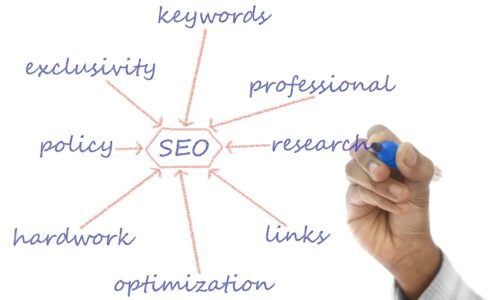
The process of improving a website's visibility in search engines is called website positioning. Companies from virtually every industry compete to ensure their websites rank as high as possible in Google's organic search results. What does the process involve, and what are the benefits of website positioning?
When starting a business a dozen or so years ago, any mention of the company online was considered innovative. Even crude websites already had a modern look, but few companies and consumers appreciated the value of the web. Nowadays, having a website is essential. For several years now, the race for the top 10 positions in the most popular search engine, Google, has been raging. Currently, among the billions of websites online, everyone wants to stand out and appear on the first page of search results for a user's query.
Corporate website positioning involves numerous factors, stages, and optimization activities performed on and off-page. This process requires a tailored strategy, continuous analysis of variables, and adaptation of optimization activities to current guidelines.
How does Google search work?
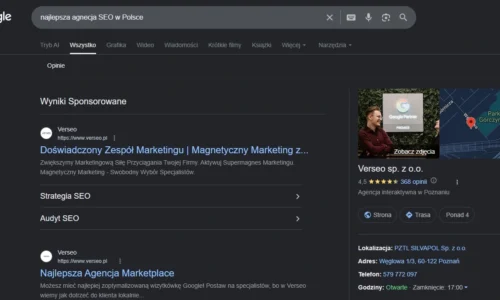
When you enter a query into Google, you're presented with thousands to millions of websites that potentially contain information relevant to you. Google decides what it displays in search results, but anyone can help with SEO.
(The rest of the article can be found below the form)
Indexing
Google uses crawlers to organize information from websites. They analyze websites, open links within them, and collect and send data about these pages to Google servers. These systems scan the page's content, and the resulting information is recorded in the search index.
Algorithms
Google's ranking systems analyze billions of websites using algorithms. When you enter a query into the search engine, you receive certain results. However, the display of specific pages is influenced by numerous factors, including:
content of the inquiry,
page relevance,
source value,
user location,
as well as about 200 other ranking factors, which you can read more about in our guide 123 SEO factors.
Google's mission is to organize the world's information so that it becomes universally accessible and useful to everyone. Hundreds of new websites are published online every second. Google processes billions of search queries annually. Amidst this maze of information, the company emphasizes that it strives to protect search results from dishonest businesses and spammers who try to circumvent their systems and algorithms. On the other hand, they strive to help business owners achieve success by providing various SEO tools and tips. Therefore, to achieve a top-ranked position, it's worth implementing these guidelines when implementing SEO for your business.
Goals of positioning a company's website in the Google search engine
Google has been the world's most popular search engine for many years. Business owners who want to increase their website's visibility in search results and understand the numerous benefits it can bring are choosing to position their company website on Google:
increasing website traffic,
more conversions (e.g. purchases or registrations),
brand recognition,
building awareness among consumers,
creating the image of an expert and market leader.
The process of website positioning, therefore, focuses on both sales and image goals. It's worth emphasizing that online activities also translate into real-world, offline life. For example, a properly positioned restaurant website might appear at the top of Google for a user searching for "restaurant Warsaw." Even without visiting the website, the virtual user decides to trust the search engine and visits the restaurant, transforming from a user into a real customer. Such website positioning effects, while impossible to measure, underscore the importance of the entire process and confirm that investing in SEO and online company promotion is worthwhile.
A multi-stage website positioning process
Search engine optimization (SEO) encompasses the optimization of a website's content, structure, and code. In addition to SEO, SEO also encompasses content marketing, link building, and web analytics.
The process consists of a series of works on the website that serve to prepare the website to cooperate with the previously mentioned Google robots.
Website audit
The first step in the company website positioning process should be an SEO audit . This verification and analysis should encompass both the technical aspects and the content available on the website. Information regarding organic traffic on individual pages can be gathered using Google Search Console and Google Analytics.
Based on the audit, a website positioning strategy is created. It's crucial to be aware of the company's business and marketing goals while also adhering to SEO principles.
Keywords or phrases
The next initial step in website positioning is selecting appropriate keywords and phrases. These phrases are chosen so that, when entered into a search engine, the positioned website will appear in the results . These words and phrases must be consistent with the company's nature and the expectations of internet users seeking information about the products, services, or topics of interest.
Company website optimization
One of the key elements of positioning is website optimization , or SEO. This stage involves:
domain link profile verification,
developing content to be added to the website,
page indexation in search engines,
optimizing headers and meta data or performing appropriate redirects,
improving technical elements within the website (such as finding and removing broken subpages, using the 404 error in a positive way, optimizing the size of graphic files that burden the website, etc.).
Reviewing and developing website content is an extremely important process – it's crucial to identify whether internal duplicates have occurred within the website and whether such duplicates exist on other websites. It's also important to verify whether the content available on the website is unique and appropriately saturated with keywords. Therefore, it's crucial to create or re-edit the homepage content, product and category descriptions, and build valuable content. This includes not only text but also graphics and photos. Working with marketing specialists, you can optimize a website so that it's valuable not only to Google's crawlers but, above all, to users and potential customers of the company. Google guidelines, as well as the website's usability and appearance, are taken into account.
Equally important is the aforementioned optimization of headings and meta data (title and description) on both the home page and individual subpages. Their proper use allows Google robots to find a given subpage and analyze the data contained within. Meta titles and meta descriptions are displayed in search results, indicating to users the topic and content of the page.
However, many technical aspects are invisible from the user's perspective, such as optimizing ALT attributes or HTTP headers. Other factors that may be taken into account include:
page loading speed,
responsiveness,
redirects,
SSL certificate,
page code.
Next, the work focuses on improving internal linking, which is a valued SEO practice. This optimization step, when done correctly, helps direct Google's search engine spiders' attention to the most important content on the page.
Company website positioning – one timer or marathon?
Considering the aforementioned components of website positioning, SEO cannot, or should not, be a one-time effort. If it is to deliver the intended results, it requires thorough analysis, diligent implementation, and constant monitoring of results. Google guidelines, algorithms, the system, and even the market are changing so dynamically that maintaining a position requires constant work. Time is required for proper indexing, content planning and creation, and building a link profile.
Google offers business owners numerous opportunities to grow their businesses. It provides tools that make promoting your business even more effective:
Google My Business
For example, a company listing on Google Maps supports local SEO , improves the website's visibility in search results, and confirms the credibility of a given company. This free tool allows users to be informed about the company's opening days and hours, as well as provide its physical address and website.
Online advertising provides tremendous support for marketing efforts. Website positioning is one of the most powerful advertising tools that, when used properly, can guarantee significant success for almost any company.
Summary
The above article covers the following topics:
- Google's information search mechanisms,
- sales and image benefits of SEO for companies,
- a comprehensive approach to positioning company websites,
- website optimization, from content and elements visible in search results to technical aspects,
- why website positioning is not a one-time activity.